

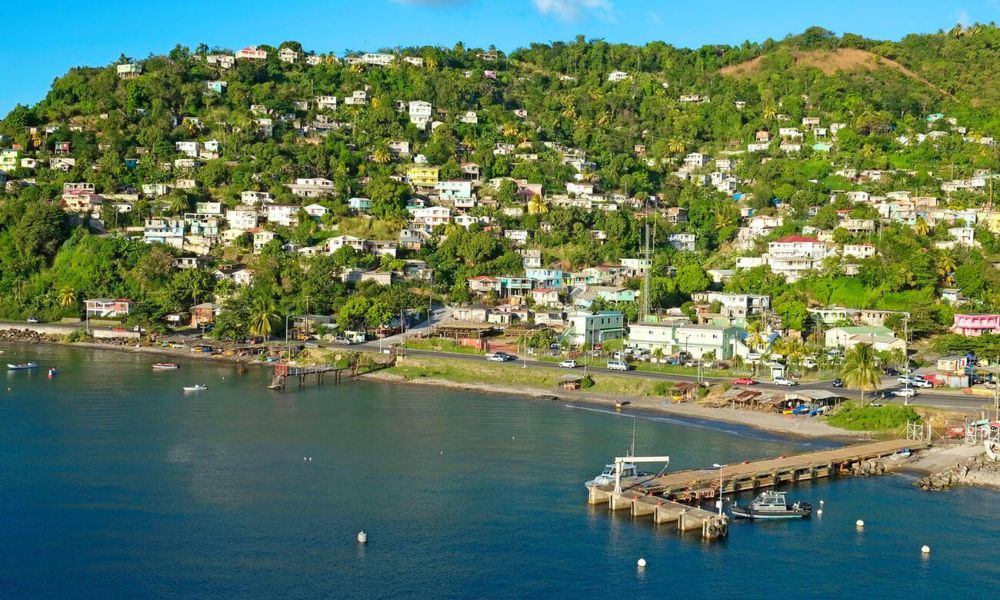

Dominica, the “Nature Isle of the Caribbean,” is more than its lush rainforest, its volcanic peaks, and cascading waterfalls. It is a lively site of culture, where the history of the island and that of its population come alive through art, festivals and traditions. Dominica’s Creole culture has deep connections to Africa, Europe and the indigenous Kalinago inhabitants of the island. The Kalinago Barana Aute provides an insightful visit, focusing on the indigenous culture and ways of life. In this guide, we’re going to take you on The Ultimate Cultural Tour of Dominica, and highlight its diverse Creole culture, from arts and architecture to lively festivals and community celebrations. Be ready to step into the depths of Dominica’s culture, every second of it unveils a part of Caribbean history.
Understanding Dominica’s Creole Culture
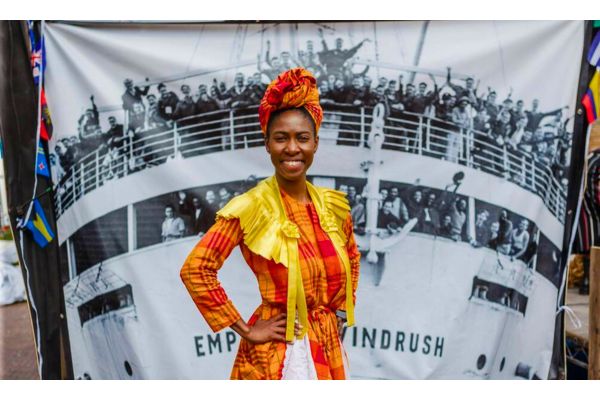
Dominica’s Creole culture, also known as “Kweyol”, is an interesting mix of indigenous Kalinago roots, African legacy, and European colonization. It’s a culture steeped in history and manifested in the language, food and music that characterizes everyday life. The Creole language, reminiscent of its French colonial history and based on French, known as Kwéyòl, spoken by many people on the island and this reflects national pride. Today, it still forms an important part of the cultural fabric of Dominica. A visit to Kalinago Territory and Nine Miles Cultural Hangouts means that you will be able to experience the real heritage of the island’s indigenous population. These tours provide insight into the traditions, and lifestyle of the Kalinago people, to make a contribution to the L’Escalier Tete Chien Dominica Heritage Park. Dominica’s lively cuisine, arts, dance, and music are also spotlighted.
The Art and Craft Scene of Dominica
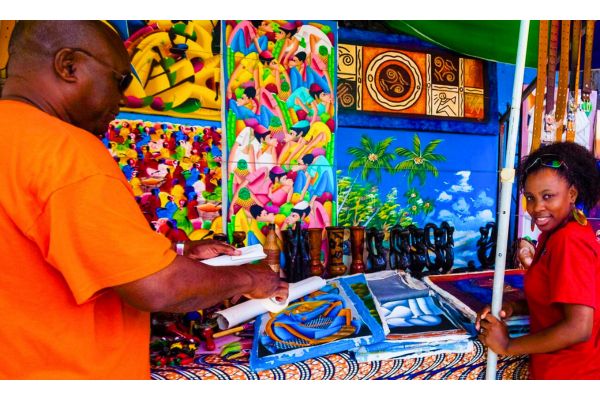
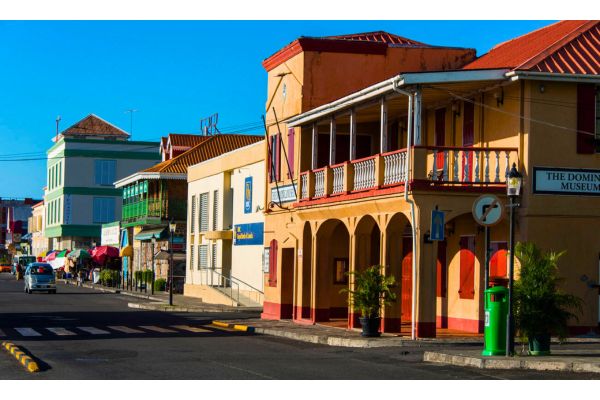
One of the finest ways to discover the island’s Creole culture is through its art and craft. Local artists celebrate the history and nature of the island with colorful paintings, detailed woodcarvings, and handmade jewelry. Local galleries and workshops are filled with examples influenced by African patterns, indigenous symbols and colonial history. Its natural beauty is another aspect of what brings the culture to life, with features such as Champagne Reef and Bubble Beach, which offer day-trippers a chance to experience volcanic underwater activity. If you’re looking for a luxurious getaway, The Marina Villa de Sonja is a beautiful place to stay. The Dominica Arts and Crafts Festival is an ideal chance to see one-of-a-kind, handcrafted items. The Dominica Museum of Culture, in Roseau, exhibits the island’s artistic development, from pre-Columbian artifacts to contemporary pieces.
Dominica’s Festivals
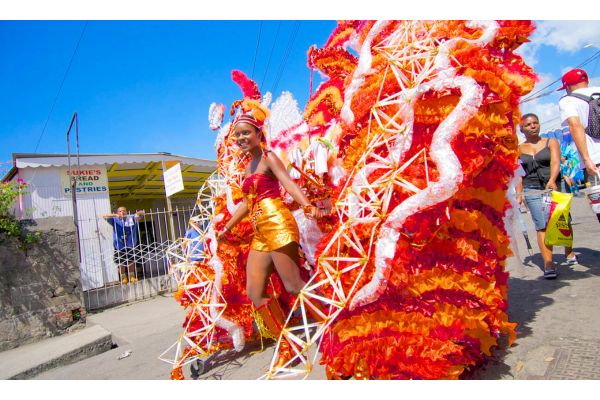
Dominica’s festivals are a vibrant celebration of its African, European, and indigenous roots, offering travelers a deep dive into the island’s rich Creole culture. The Ultimate Chill Brown’s Town, held before Ash Wednesday, features explosive energy with colorful costumes, calypso music, and traditional dances. The Festival of Creole, every October, honors Dominica’s French Creole heritage with folk dances, bélé rhythms, and storytelling through music. On Independence Day (November 3rd), Dominicans celebrate their freedom with parades, music, and food. These lively events are essential for anyone wanting to experience the heart and soul of Dominica’s culture and traditions.
A Taste of Dominica’s Creole Heritage
Dominica’s food is a smorgasbord of flavours. In the island’s varied food scene. You’ll find colliding flavors that narrate its multicultural story. Dishes to try: Callaloo Soup is a delicious combination of callaloo okra, a coconut milk it’s calls for fish or pork. If you want true Caribbean taste, you should be adding a unique fish broth called Fish Water. It’s made with fresh fish and full of veggies and herbs to your other Creole dishes.
Cou Cou and Fish is cornmeal with fresh fish in a rich sauce, and Bakes and Saltfish is fried dough with salted cod, a typical breakfast dish. Once you’ve experienced the local markets, unwind at Sulphur Spa & Black Sand Beach, or retreat to The Hamilton’s Nature Villa where you can relax in the peace and splendor of Dominica
Rhythms of Dominica
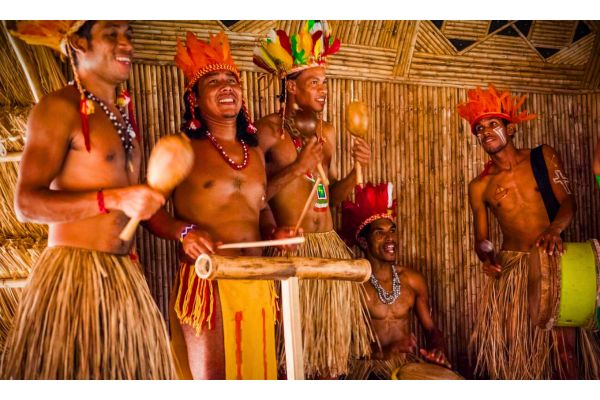
Music is an essential part of Dominica’s cultural. Also fabric, melding African, French and indigenous sounds into a singular rhythm that lets you feel the island. Bélé Music is one of the most important forms and has its roots in West African tradition, with drumming and chanting to accompany the dancers and the narrators of stories. Cadence-lypso, another popular genre, evolved in the 1970s, combining calypso and cadence rhythms to form a high energy, infectious sound. Tambou Bamba A drum based style, it inspir by the indigenous Kalinago and tells history and stories through rhythm and movement. Join local music festivals, enjoy live performances or take traditional dance lessons and you’ll learn to bélé or quadrille too! For those with finer tastes, the island’s rich musical history can be embraced at the calming Tropical Escape Villa with a Full-Day Private Tour Experience.
Kalinago Culture
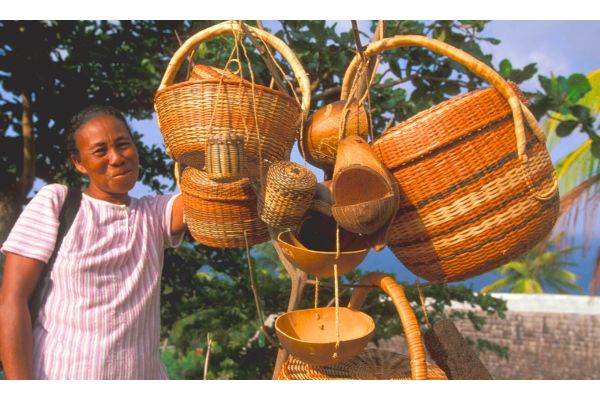
The Kalinago (formerly Carib) people are the last remaining indigenous population in the Caribbean and live here. Their heritage is an essential aspect of the island’s interest. The Kalinago Territory provides tourists with the chance to discover how they live. Here, you can visit the Kalinago Barana Aute, the local cultural village. The Kalinago people show off their ancient craft making, music, and food! It’s also a wonderful place to gain cultural knowledge of the indigenous peoples of Dominica, from their expertise in canoe building to their close relationship with the land. LandFeeling tired, you can prolong your trip by taking a Full Day Santo Domingo City Tour, or enjoy a peaceful stay at the Relax Villa, which has all the natural elements to spend a quiet time in.
Plan Your Ultimate Cultural Tour of Dominica
Dominica is a great place to get to know the heart and soul. Caribbean and experience the cultural richness of the region. Whether it’s strolling through the capital city of Roseau, going to a festival, or trying new foods .There is always something new to see. The island’s Creole culture is a lovely embodiment of its history, diversity, and warmth. After a day of exploring you can relax in the beautiful surroundings of Belle Air Seaview, you will find yourself surrounded by panoramic sea views and tranquility. Do you want to experience the devil’s abode for yourself? Visit Dominica to experience the island’s art, festivals, food and much more when you plan your Ultimate Cultural Tour of Dominica.

0 Comment